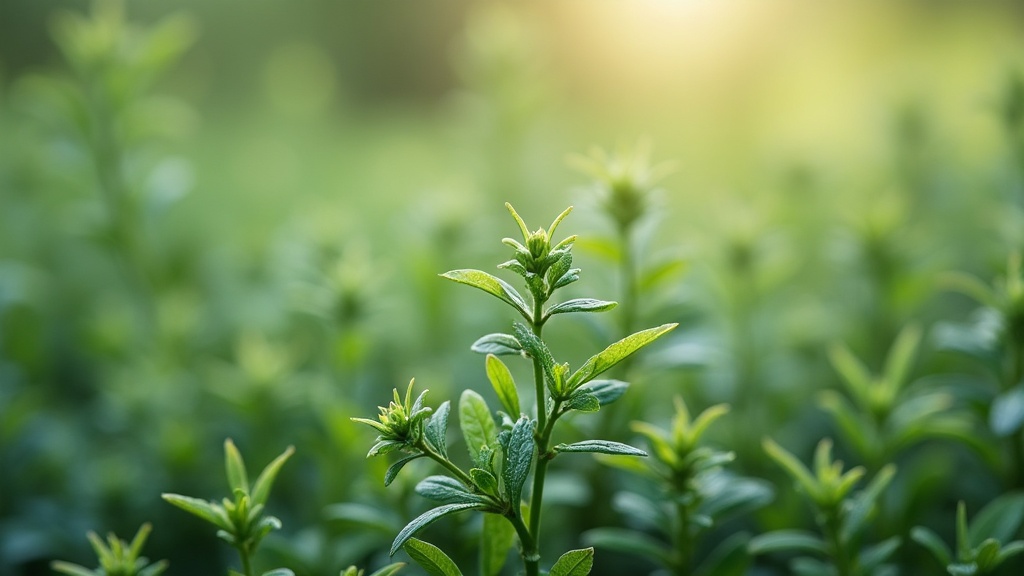
Learn how to plant and care for thyme creeping ground cover, a fragrant and durable lawn alternative that thrives in sunny, well-drained spaces.
Table of Contents
- What Is Thyme Creeping Ground Cover?
- How to Plant Thyme Creeping
- Care and Maintenance for Creeping Thyme
- Landscaping Uses and Lawn Alternatives
- Frequently Asked Questions
- Creeping Thyme vs. Other Ground Covers
- Practical Tips for Success
Quick Stats: Thyme Creeping

Gardeners looking for a resilient, fragrant, and visually appealing ground cover often turn to thyme creeping. This versatile plant offers a practical solution for sunny spots where traditional grass struggles, such as slopes, rocky patches, and pathways. Its low growth habit and tolerance for foot traffic make it a favorite among those seeking a living carpet that requires less water and mowing than a conventional lawn. In this guide, you will learn about the essential characteristics of this plant, the best practices for establishing it in your garden, the ongoing care it needs to thrive, and creative ways to use it in your landscape design. Whether you are a seasoned gardener or a beginner, understanding the specific needs of this ground cover will help you achieve a lush, healthy carpet of green that bursts into color each season.
What Is Thyme Creeping Ground Cover?
Thyme creeping refers to several low-growing species of the Thymus genus, most commonly Thymus praecox and Thymus serpyllum. These plants are distinguished from their upright culinary cousins by their prostrate, mat-forming growth habit. The Morton Arboretum Plant Clinic notes that thyme creeping is generally used more as a ground cover than as an herb; this low-growing plant spreads out in a mat, stays only 3 to 6 inches high, and is covered with flowers that attract pollinators (The Morton Arboretum, 2024)[1]. Unlike the upright thyme used in cooking, creeping varieties create a dense, soft carpet that can handle light foot traffic.
Key Botanical Characteristics
The plant produces tiny, oval, aromatic leaves that release a pleasant herbal scent when brushed against. In late spring and early summer, the foliage is nearly hidden by masses of small, tubular flowers. Flower colors vary by cultivar and include shades of pink, purple, red, and white. The Missouri Botanical Garden Horticulture Staff describes Thymus serpyllum, commonly called wild thyme or creeping thyme, as best grown in loose, sandy, gritty or rocky, nutrient-poor soils with sharp drainage; it will tolerate drought but dislikes moist to wet soils where rot may develop (Missouri Botanical Garden, 2024)[4]. This preference for lean, well-drained conditions is a defining feature of the plant and the key to its successful cultivation.
Common Varieties
Several popular cultivars are available to home gardeners. Red creeping thyme (Thymus praecox ‘Coccineus’) is prized for its vibrant crimson-pink flowers and is recommended for USDA zones 3 through 8 (Great Garden Plants, 2024)[5]. Proven Winners lists red creeping thyme as growing 3 to 6 inches tall with an 8 to 10 inch spread (Proven Winners, 2024)[6]. Other common varieties include ‘Elfin’, which forms a very tight, slow-growing mat ideal for between stones, and ‘Pink Chintz’, which features soft pink flowers and slightly larger leaves. The specific hardiness range can vary by cultivar, with North Carolina State Extension listing Thymus praecox as hardy in zones 5a through 8b (NC State Extension, 2024)[7], so it is always wise to check the tag for your specific plant.
How to Plant Thyme Creeping
Successful establishment of thyme creeping begins with selecting the right site and preparing the soil properly. Because the plant is highly sensitive to wet feet, location is the most critical factor. North Carolina State University Cooperative Extension states that thyme creeping performs best in full sun and well-drained soils, doing particularly well in sandy or rocky sites, and it is intolerant of wet or poorly drained conditions (NC State Extension, 2024)[7]. Choosing a spot that meets these criteria will prevent the most common cause of failure: root rot from excessive moisture.
Site Selection and Soil Preparation
Select a location that receives at least 6 hours of direct sunlight each day. Thyme creeping will not thrive in shade; it will become leggy, produce fewer flowers, and be more susceptible to disease. The soil must drain quickly. If your garden has heavy clay soil, consider amending it with coarse sand, gravel, or organic matter to improve drainage, or build a raised bed. A soil pH between 6.0 and 8.0 is acceptable, with a slightly alkaline condition being ideal. Before planting, remove all weeds and loosen the soil to a depth of about 6 inches. The Morton Arboretum recommends incorporating a small amount of compost only if the soil is extremely poor, as overly rich soil can encourage floppy, weak growth.
Planting Methods
You can establish thyme creeping from seeds, plugs, or nursery starts. Starting from seed is the most economical method for covering large areas. Scatter the tiny seeds on the surface of prepared soil in early spring after the last frost, but do not cover them, as they need light to germinate. Keep the soil consistently moist but not soggy. Seeds generally germinate in approximately 21 to 28 days under suitable conditions (Eden Brothers, 2024)[2]. For faster results, purchase small plugs or potted plants. Space them 8 to 12 inches apart, as individual plants commonly spread to about 12 inches in width when established (Eden Brothers, 2024)[2]. Water the transplants in well and keep the soil moist for the first few weeks until new growth appears.
Care and Maintenance for Creeping Thyme
Once established, thyme creeping is a remarkably low-maintenance plant. Its needs are minimal, making it an excellent choice for gardeners who want a beautiful ground cover without constant attention. The primary rule is to avoid overwatering. Garden Design editors note that because thyme creeping thrives in lean, fast-draining soil and is highly tolerant of drought and foot traffic once established, it is one of the most practical and ornamental lawn alternatives for sunny sites (Garden Design, 2025)[3].
Watering and Fertilizing
During the first growing season, water your thyme creeping regularly to help it develop a deep root system. Once the plants are established, usually after the first year, they are very drought-tolerant. Water only during extended dry periods, and even then, a deep watering every two to three weeks is usually sufficient. The most common mistake is keeping the soil too moist. Do not fertilize creeping thyme. As the Missouri Botanical Garden noted, it prefers nutrient-poor soils. Fertilizer, especially nitrogen-rich formulas, will cause the plant to produce soft, lush growth that is less aromatic, less resilient, and more prone to disease. The plant gets all the nutrients it needs from the soil.
Pruning and Weed Control
Pruning is simple. After the main flowering period in mid-summer, you can shear the plants back by about one-third to encourage a second flush of blooms and keep the mat dense and tidy. Some gardeners also give the plants a light trim in early spring to remove any winter-damaged foliage. Weed control is most critical during the first year while the plants are filling in. Hand-pull weeds regularly to prevent them from competing with the young thyme. Once the thyme forms a solid mat, it will naturally suppress most weed growth due to its dense foliage. The plant also has a pleasant side effect: its strong scent can help repel certain garden pests.
Landscaping Uses and Lawn Alternatives
The practical and ornamental qualities of thyme creeping make it a versatile tool in landscape design. Its ability to thrive in challenging conditions and its aesthetic appeal have made it a popular choice for creative gardeners. A University of Illinois Extension horticulture educator explains that creeping thymes are extremely low-growing, fragrant groundcovers that excel between stepping stones, provided they have full sun and very well-drained soil rather than wet, soggy conditions (University of Illinois Extension, 2024)[8]. This makes it an ideal solution for pathways and patios where a soft, fragrant surface is desired.
Replacing Traditional Lawns
For homeowners looking to reduce their environmental footprint, thyme creeping serves as an excellent lawn alternative. It eliminates the need for mowing, requires far less water than grass once established, and does not need chemical fertilizers or pesticides. A thyme lawn creates a beautiful, textured carpet that changes color with the seasons, from the deep green of the foliage to the vibrant hues of the flowers. It can handle light, occasional foot traffic, making it perfect for areas of the yard that are more for visual appeal than for heavy play. For a comprehensive guide on selecting and establishing alternative ground covers for your specific region, you can explore the ground cover planting guide for sunny spaces.
Rock Gardens, Slopes, and Containers
Thyme creeping is a natural choice for rock gardens, where it can spill over the edges of stones and soften hard lines. On sunny slopes, its deep root system helps stabilize the soil and prevent erosion. It also performs beautifully in containers and window boxes, where it will trail over the sides. The plant’s small scale makes it perfect for trough gardens and alpine displays. You can also use it as a living mulch around taller perennials and shrubs, where it will keep the soil cool and moist while adding a layer of beauty. For more ideas on creating a low-maintenance landscape, check out the drought-resistant garden design tips available on our site.
Important Questions About Thyme Creeping
Can you walk on thyme creeping?
How fast does thyme creeping spread?
Does thyme creeping stay green in winter?
Why is my creeping thyme turning brown and dying?
Creeping Thyme vs. Other Ground Covers
When choosing a ground cover for a sunny, well-drained location, thyme creeping stands out against other popular options. Its unique combination of fragrance, drought tolerance, and beauty makes it a top contender. The table below compares it to two other common ground covers.
| Feature | Creeping Thyme | Irish Moss (Sagina subulata) | Sedum (Stonecrop) |
|---|---|---|---|
| Sun Requirement | Full sun (6+ hours) | Full sun to part shade | Full sun |
| Soil Moisture | Dry to medium, well-drained | Medium, consistently moist | Dry to medium, well-drained |
| Foot Traffic Tolerance | Moderate | Low | Low to moderate |
| Fragrance | Strong, herbal | None | None |
| Winter Hardiness (USDA) | 4-9 (varies by cultivar) | 4-8 | 3-9 (varies by species) |
As the table shows, thyme creeping is the best choice for areas where you want a fragrant, walkable surface that can handle dry conditions. Irish Moss requires more water and is less tolerant of foot traffic, while Sedum is a good alternative for very dry, poor soil but lacks the aromatic quality and flower density of thyme.
Practical Tips for Success
To ensure your thyme creeping ground cover thrives, follow these actionable tips based on expert advice and common best practices. These steps will help you avoid the most frequent pitfalls and enjoy a beautiful, healthy carpet of thyme for years.
- Start with a clean slate. Before planting, thoroughly remove all existing weeds and grass from the area. Perennial weeds like dandelions and quackgrass are difficult to remove once the thyme has filled in. Consider solarizing the soil or using a non-selective herbicide several weeks before planting for complete control.
- Amend heavy soil for drainage. If your garden has clay soil, do not plant creeping thyme directly into it. Mix in 2-3 inches of coarse sand, pea gravel, or perlite to a depth of 6-8 inches. This creates the sharp drainage the plant requires. Planting in a raised bed or on a slope can also help.
- Water wisely during establishment. The first few weeks are critical. Water the new plants deeply 2-3 times per week to encourage deep root growth. Once the roots are established, usually after 4-6 weeks, gradually reduce watering. After the first year, water only during severe drought.
- Shear after flowering. Once the main flush of flowers has faded in mid-summer, use garden shears or a string trimmer to cut the plants back by about one-third. This prevents the mat from becoming woody, encourages denser growth, and often promotes a second, smaller bloom period in early fall.
Key Takeaways
Thyme creeping is a robust, fragrant, and visually stunning ground cover that offers a practical alternative to traditional grass for sunny, well-drained locations. It requires minimal water, no fertilizer, and very little maintenance once established. By choosing the right site with full sun and excellent drainage, preparing the soil properly, and watering sparingly after the first season, you can create a living carpet that will provide years of beauty and enjoyment. Its ability to attract pollinators, suppress weeds, and tolerate light foot traffic makes it a valuable addition to any garden. For more detailed information on plant care and landscape design, explore the wide range of articles available on coffeebeancrypto.
Further Reading
- Creeping thyme | The Morton Arboretum.
https://mortonarb.org/plant-and-protect/trees-and-plants/creeping-thyme/ - Creeping Thyme Seeds Planting Guide. Eden Brothers.
https://grow.edenbrothers.com/planting-guides/creeping-thyme-seeds/ - Creeping Thyme: A Growing Guide. Garden Design.
https://www.gardendesign.com/perennials/creeping-thyme.html - Thymus serpyllum – Plant Finder. Missouri Botanical Garden.
https://www.missouribotanicalgarden.org/PlantFinder/PlantFinderDetails.aspx?kempercode=a294 - Red Creeping Thyme. Great Garden Plants.
https://www.greatgardenplants.com/products/red-creeping-thyme - Coccineus Red Creeping Thyme. Proven Winners.
https://www.provenwinners.com/plants/thymus/coccineus-red-creeping-thyme-thymus-praecox - Thymus praecox (Creeping Thyme, Early Thyme) – Plant Toolbox. NC State Extension.
https://plants.ces.ncsu.edu/plants/thymus-praecox/ - Thyme as a Groundcover. University of Illinois Extension.
https://www.youtube.com/watch?v=d1l52mt5YPo
For more about Thyme creeping, see Thyme Creeping.